
Diesel Fuel Management for Standby Generators: Fuel Quality, Polishing, Monitoring and Theft
Diesel in a standby tank degrades over time through oxidation, water and microbial growth, so test it at least once a year (NFPA 110 requires an annual fuel quality test), drain water regularly and polish or replace fuel that fails. Monitor the level at every site to plan refuelling, keep the runtime reserve, and catch theft, leaks and short deliveries the same day.
In this article
A standby generator can only run as long as its fuel lasts and only as well as that fuel is clean. At most sites, fuel is the one consumable that is used, stored, delivered and sometimes stolen, all without anyone watching it closely.
This guide covers what happens to diesel in a standby tank, how to keep it usable, how to plan the reserve, and how fuel level monitoring turns refuelling from a fixed round into a planned job.
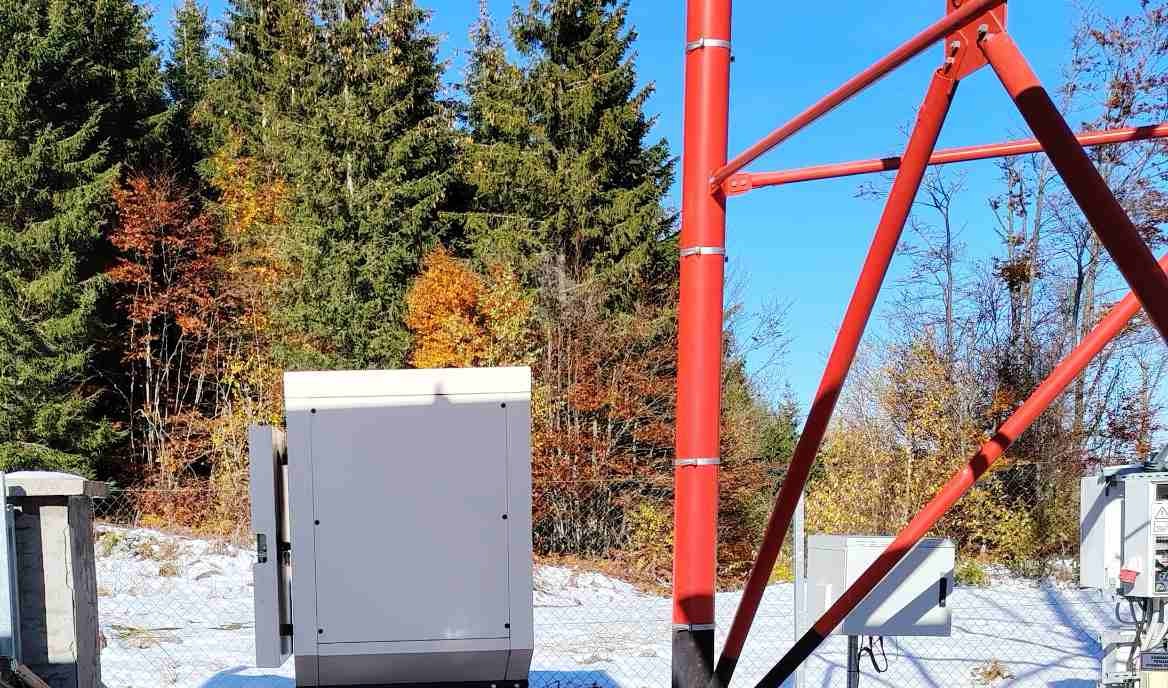
Why diesel fuel goes bad in standby tanks
In a vehicle, fuel is used within weeks. In a standby generator it can sit for a year or more. Over that time three things happen:
- Oxidation. Diesel slowly reacts with oxygen and forms gums and sediment that clog filters and injectors. Heat speeds this up.
- Water. Humid air enters through the vent, and temperature swings make it condense on the tank walls. Water sinks to the bottom because it is heavier than diesel.
- Microbial growth. Bacteria and fungi live at the line where fuel meets water. They form a slimy layer, produce acids and block filters. This is often called diesel bug.
Diesel that contains biodiesel (FAME), which is common in road diesel in many countries, holds more water and is more prone to microbial growth, so it needs closer attention in long-term storage.
How to keep standby diesel fuel usable
- Test the fuel at least once a year. NFPA 110 requires an annual fuel quality test using ASTM methods. A typical test looks at water and sediment, microbial contamination and stability.
- Drain water regularly from the tank bottom and from the water separator on the engine, and check for water during every service visit.
- Keep the tank full where the site allows it. Less air space means less condensation.
- Use fuel stabilisers and biocides where long storage or microbial growth is a known risk, following the fuel supplier's guidance.
- Turn the fuel over. Where possible, use the stored fuel in regular runs and top up with fresh fuel, rather than keeping the same fuel for years.
- Keep the vent and fill cap in good condition so rain and dust stay out.
What is fuel polishing and when do you need it?
Fuel polishing is circulating the fuel in a tank through filters and water separators to remove water, sediment and microbial debris. It can be done with a portable unit during a visit or with a permanent system that runs on a schedule.
Polishing is the right step when a fuel test shows water, sediment or microbial contamination but the fuel itself is still within specification. It does not reverse oxidation: fuel that has degraded chemically needs to be replaced. When the tank bottom holds heavy sludge, the tank needs cleaning, not only polishing.
| Fuel test result | Typical action |
|---|---|
| Clean and within specification | Keep testing yearly; drain water at each visit |
| Water or sediment present | Drain water; polish the fuel; find and fix the water entry |
| Microbial growth | Polish, treat with biocide, check filters more often; clean the tank if growth is heavy |
| Degraded (oxidised) fuel | Replace the fuel; consider a shorter turnover |
How much fuel reserve does a generator need?
The reserve depends on how long the site must run without a refuel. That is a business decision, often set in the service contract or by the site's risk assessment.
To check whether a tank meets it:
- Take the usable tank volume, not the nominal size. Fuel below the pickup and the space above the maximum fill level do not count.
- Take the fuel consumption at the real site load from the generator's datasheet. Consumption at 25% load is very different from consumption at full load.
- Runtime = usable fuel ÷ consumption per hour at that load.
- Set the low fuel alarm at the level that still leaves enough time to get fuel to the site, including night and weekend response times.
For example, a tank with 400 litres usable feeding a generator that burns 6 litres per hour at the site's load gives about 66 hours of runtime. If a refuel takes up to 24 hours to arrive, the low fuel alarm should trigger with at least a day of fuel left, plus a margin.
How to transfer fuel safely at the site
Refuelling at a site that has no fixed fuel supply is a fire risk if it is done carelessly. Follow local fire and dangerous goods regulations, and as a minimum:
- Use certified metal containers approved for diesel transport, in good condition and clearly marked. Never use reused oil drums or containers of unknown origin.
- Bond and earth containers and the pump during transfer to prevent static discharge.
- Keep ignition sources away: no smoking, no running engines nearby and no electrical extension cords or tools lying in the transfer area.
- Have a spill kit and a fire extinguisher at hand, and clean up any spill straight away.
- Close containers and take them away after the transfer. Fuel containers should not be stored next to the generator or left on site.
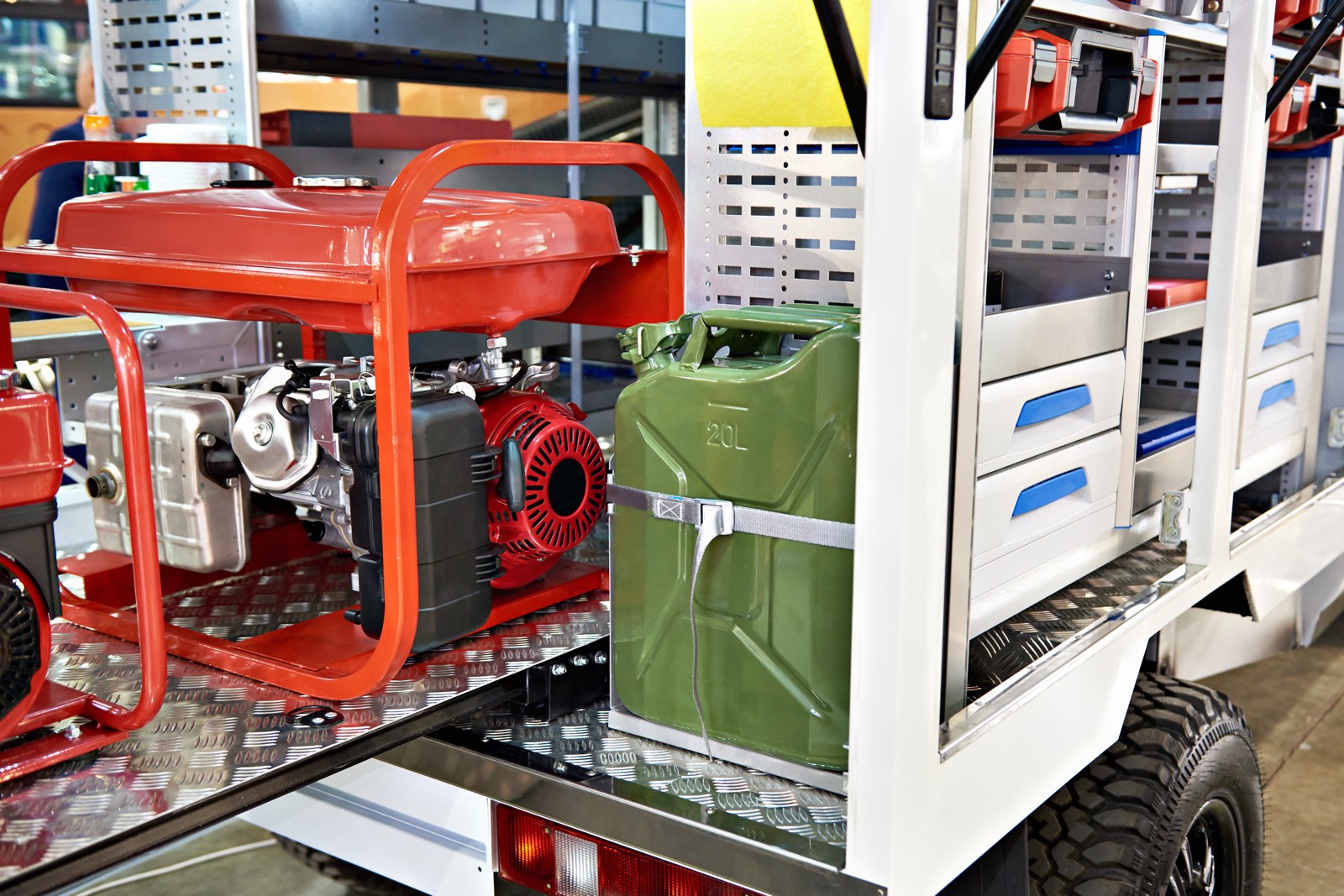
Fuel level monitoring: refuelling, theft and leaks
A level sensor in the tank, read by the generator controller and sent to a monitoring platform, changes how fuel is managed:
- Refuelling is planned from real levels and consumption, so vans go to the sites that need fuel instead of following a fixed round.
- Theft shows up as a sharp drop with the engine off, especially at night. The same pattern with a slow, steady fall points to a leak.
- Deliveries can be checked. The level rise after a refuel should match the delivered litres. A gap means a short delivery or a loss during the transfer.
- Water sensors in the tank bottom warn before water reaches the pickup.
For theft-prone sites, combine monitoring with physical measures: locking fill caps, a secured enclosure, door contacts that report to the platform, and an alert that reaches the duty engineer the moment fuel drops with the engine off.
Frequently asked questions
How long can diesel fuel be stored in a generator tank?
There is no single answer, because storage life depends on fuel quality, biodiesel content, temperature and water. Untreated diesel is often kept for around a year before testing becomes essential. With yearly testing, water removal, polishing and turnover, a standby tank can stay in good condition much longer.
How often should generator fuel be tested?
At least once a year for emergency systems covered by NFPA 110, which requires an annual fuel quality test using ASTM methods. Sites with biodiesel blends, warm climates or past microbial problems benefit from testing more often.
What is diesel fuel polishing?
Fuel polishing is circulating stored diesel through filters and water separators to remove water, sediment and microbial debris. It cleans contaminated fuel but does not restore fuel that has oxidised, which must be replaced.
How do you detect fuel theft from a generator?
Log the fuel level at every site and alert on sudden drops while the engine is off. Compare the level rise after each refuel with the delivered litres. Add locking caps, a secured enclosure and door contacts at sites where theft is a known risk.
How do you calculate generator runtime from the fuel tank?
Divide the usable fuel in the tank by the generator's fuel consumption per hour at the actual site load, taken from the manufacturer's datasheet. Then set the low fuel alarm so that enough runtime remains to get a refuel to the site.
Sources
- NFPA 110, Standard for Emergency and Standby Power Systems, chapter 8, including the annual fuel quality test.
- ASTM D975, Standard Specification for Diesel Fuel, and related ASTM test methods for water, sediment and microbial contamination.
- Generator manufacturers' datasheets for fuel consumption at partial and full load.
- Related reading: remote generator monitoring and generator maintenance schedule and checklist.

See every generator's status and service plan in one place
GenSetCare reads alarms, fuel and run hours from the controller, schedules service by run hours and calendar, and gives technicians a field app with live checklists.